Source Air Compressor Maintenance Gear Set for Cars, Machinery, Motors
Find 30 verified options for air compressor maintenance gear set including spur, bevel, and circular gears. Compare specifications like material, hardness, and customization to select the right replacement for cars, agricultural machinery, and electric motors; compare the available evidence and request quotations based on your requirements.
Key considerations
Products List


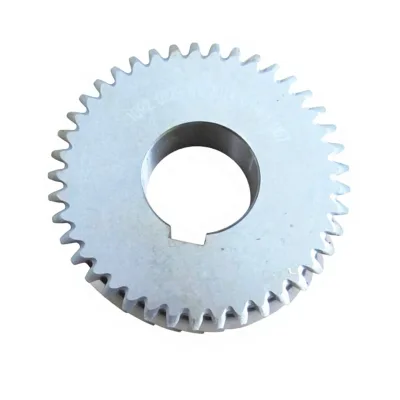


Comprehensive Sourcing Guide
Air Compressor Maintenance Gear Set Sourcing Guide
Procuring replacement gear sets for air compressor maintenance requires distinguishing between standard off-the-shelf components and custom-engineered solutions. The market offers items explicitly labeled as regular replacements with specific model numbers like 2205178443, yet buyers must also navigate listings offering customization according to drawings. This duality means that a single search query often yields both immediate stock items and bespoke manufacturing requests, necessitating a clear definition of the exact mechanical requirement before engaging with suppliers.
Buyers must verify whether the listed product is a standard component or a custom fabrication to avoid compatibility issues. While some listings indicate a minimum order quantity of just one piece, others may require larger volumes for custom runs. Understanding this distinction is critical because the lead time and pricing structure differ significantly between a standard bag-packed unit and a custom gear set produced in a wooden box. Clarifying the need for a specific model number versus a custom design ensures the procurement process aligns with the actual maintenance schedule.
Product Scope and Observed Listing Signals
The observed product scope encompasses a wide variety of gear types, including spur gears, bevel gears, and circular gears, often manufactured from stainless steel or cast steel. Listings frequently highlight applications ranging from air compressor maintenance to agricultural machinery, electric cars, and marine environments. This broad categorization signals that while the core keyword focuses on compressors, the same supply chain often serves multiple industrial sectors, requiring buyers to filter results carefully to ensure the gear geometry matches the specific compressor model.
Signal analysis reveals that packaging and origin are key differentiators in the current market data. Products are commonly shipped in bags, carton boxes, or wooden boxes, with origins noted in China, Hebei, and Guang Zhou. The presence of specific model numbers alongside custom options suggests a hybrid inventory system where standard SKUs coexist with made-to-order items. Buyers should scrutinize the "Type" attribute, as the distinction between a regular replacement and a custom gear can impact the fit and function within the air compressor assembly.
Technical Specifications to Verify
Technical verification begins with confirming the gear position and toothed portion shape, as these define the mechanical interaction within the compressor. The available data indicates options for external gears with hardened tooth surfaces and spur or bevel configurations. Buyers must ensure the selected gear matches the existing bore requirements, which may be finished or pre-processed, to guarantee a proper fit without requiring additional machining. The manufacturing method, whether cast or cut, also influences the final dimensional accuracy and surface finish of the component.
Dimensional precision is paramount, particularly regarding the module and base circle diameter, which are often customized according to specific drawings. While some standard listings provide fixed model numbers, others require the buyer to supply exact pressure and diameter specifications. The hardness of the tooth surface is another critical parameter, as it determines the durability under the high-stress conditions typical of air compressor operation. Verifying these specific geometric and material properties prevents the procurement of gears that might fail prematurely or cause damage to the compressor housing.
Compliance and Safety Documentation
Compliance verification involves checking for adherence to recognized international standards such as ANSI, DIN, and ISO, which are explicitly mentioned in several product listings. These standards provide a baseline for dimensional tolerances and material quality, ensuring that the gear set meets general industrial safety and performance expectations. Buyers should request documentation confirming that the specific batch of gears conforms to these standards, especially when the application involves heavy-duty machinery where failure could lead to significant operational downtime or safety hazards.
Surface treatment and material composition are also essential compliance factors that affect the longevity and safety of the gear set. The observed data lists treatments like black oxide and zinc plating, which protect against corrosion in various environments. Additionally, the material choice between stainless steel and cast steel must align with the operating conditions of the air compressor. Ensuring that the supplier provides evidence of these treatments and material certifications helps mitigate risks associated with premature wear or environmental degradation in the field.
Cost Drivers and Commercial Terms
Cost drivers in this market are heavily influenced by the level of customization and the material selection. Standard components with fixed model numbers generally offer lower unit costs and faster availability, whereas custom gears requiring specific drawings and manufacturing methods incur higher prices and longer lead times. The observed price range is broad, reflecting the variance between simple replacement parts and complex, engineered solutions. Buyers must balance the immediate need for a replacement against the long-term value of a custom-fitted component that may offer superior performance.
Commercial terms such as payment requirements and minimum order quantities significantly impact the total cost of ownership. Listings indicate a requirement for 100% payment in advance, which is a standard practice for custom manufacturing but requires careful cash flow management. The minimum order quantity can range from a single piece to larger batches, affecting the unit price through economies of scale. Understanding these terms allows buyers to negotiate effectively and plan their procurement budget according to the specific needs of their maintenance program.
Supplier Qualification and Quality Control
Supplier qualification should focus on their ability to provide video outgoing-inspection services, which offer a transparent view of the manufacturing process and final product quality. This feature is particularly valuable for custom orders where visual confirmation of the gear's dimensions and surface treatment is necessary before shipment. Buyers should prioritize suppliers who demonstrate a commitment to quality control through such visual verification methods, as this reduces the risk of receiving non-conforming parts that could disrupt air compressor operations.
The condition of the product, typically listed as new, and the specific manufacturing origin are also key indicators of supplier reliability. Suppliers based in regions like Hebei and Guang Zhou have established reputations in the gear manufacturing sector, but buyers must verify the specific factory's track record. The availability of a 12-month warranty provides a safety net for defects, but the true measure of qualification lies in the supplier's consistency in delivering hardened tooth surfaces and precise bore dimensions. A rigorous vetting process ensures that the selected partner can consistently meet the technical demands of air compressor maintenance.
Long-Term Procurement Checks
Long-term procurement success depends on establishing a reliable supply chain for recurring maintenance needs. Buyers should assess the supplier's ability to maintain consistent lead times, which can vary from one to three working days for standard items to longer periods for custom orders. Building a relationship with a supplier who can reliably deliver specific model numbers or custom specifications ensures that maintenance schedules are not delayed by supply chain disruptions. Consistency in product quality and delivery speed is essential for maintaining the operational efficiency of air compressors.
Continuous monitoring of product performance and supplier responsiveness is necessary to adapt to changing maintenance requirements. As equipment ages or operational conditions change, the need for specific gear modifications may arise, requiring a supplier capable of rapid customization. Buyers should maintain open communication channels to discuss potential design updates or material changes that could improve performance. By treating procurement as a dynamic process rather than a one-time transaction, organizations can ensure their air compressor systems remain reliable and efficient over the long term.
FAQs
What materials are used for air compressor maintenance gear sets?
The gear sets are manufactured from stainless steel and cast steel to ensure durability and resistance to wear. These materials provide the necessary hardness for hardened tooth surfaces, making them suitable for demanding air compressor maintenance applications where reliability is critical.
Can I customize the specifications for these gear sets?
Yes, customization is available according to your specific drawings and requirements. You can specify the module, normal pressure, and base circle diameter to match your machinery. This flexibility ensures the gears fit precisely into your existing air compressor systems.
What is the minimum order quantity for these gears?
The minimum order quantity is one piece, allowing for easy sampling and small-scale procurement. This low MOQ supports buyers who need replacement parts for maintenance without committing to large bulk orders, facilitating efficient inventory management for spare parts.
How long is the warranty period for these components?
These gear sets come with a twelve-month warranty to guarantee quality and performance. This coverage provides peace of mind for buyers, ensuring that any manufacturing defects are addressed within the warranty period, supporting long-term reliability in air compressor operations.
What surface treatments are applied to the gears?
The gears undergo surface treatments such as black oxide and zinc plating to enhance corrosion resistance. These finishes protect the metal surfaces, ensuring longevity and maintaining the structural integrity of the gears during operation in various environmental conditions within air compressors.
What is the typical lead time for delivery?
The lead time is typically one to three working days for standard orders. This rapid turnaround supports urgent maintenance needs, allowing businesses to quickly replace worn gears and minimize downtime in their air compressor systems without significant delays in procurement.